
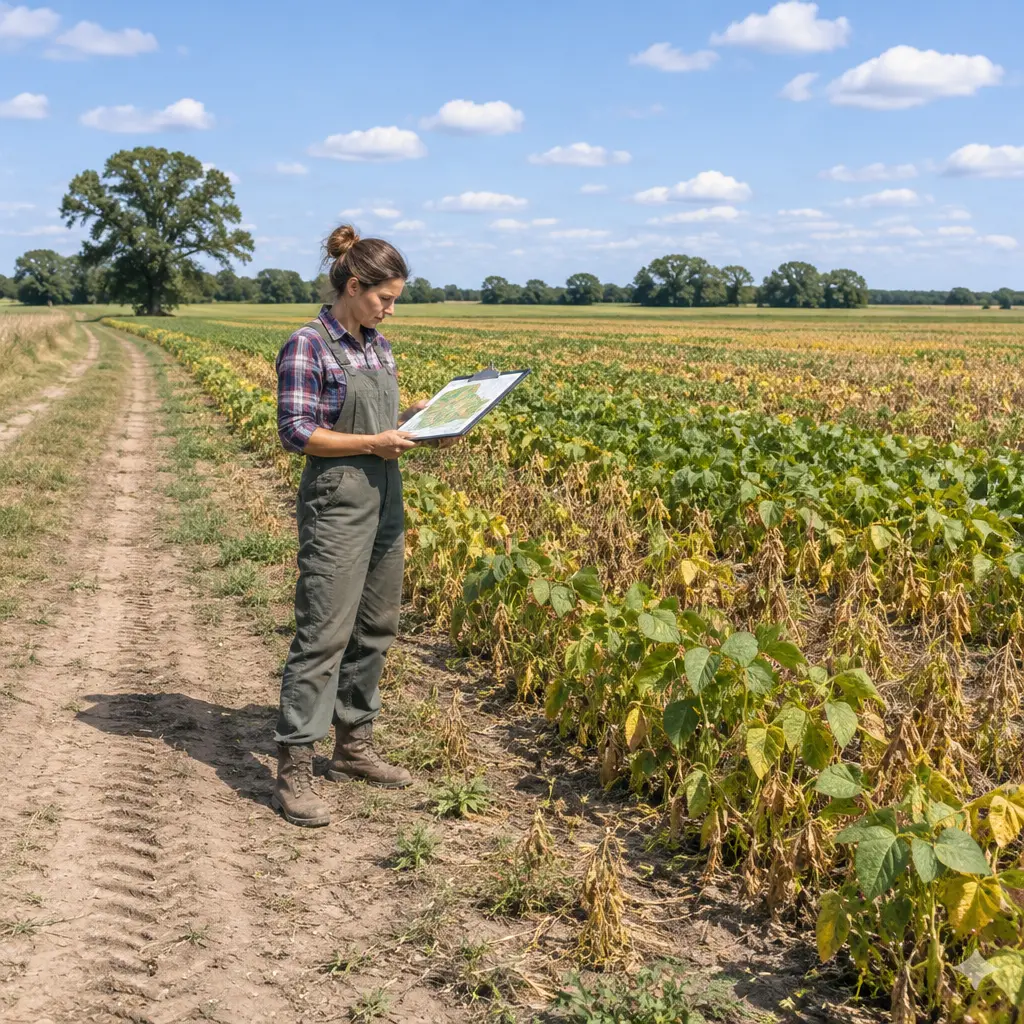
An agricultural plan is a farm’s working strategy for production, resources, finances, and risk; when weather, pests, prices, or equipment disrupt it, the best response is to stabilize the operation, assess losses, and revise decisions using current information. The U.S. Department of Agriculture’s (USDA) Risk Management Agency describes agricultural risk management as a combination of […]
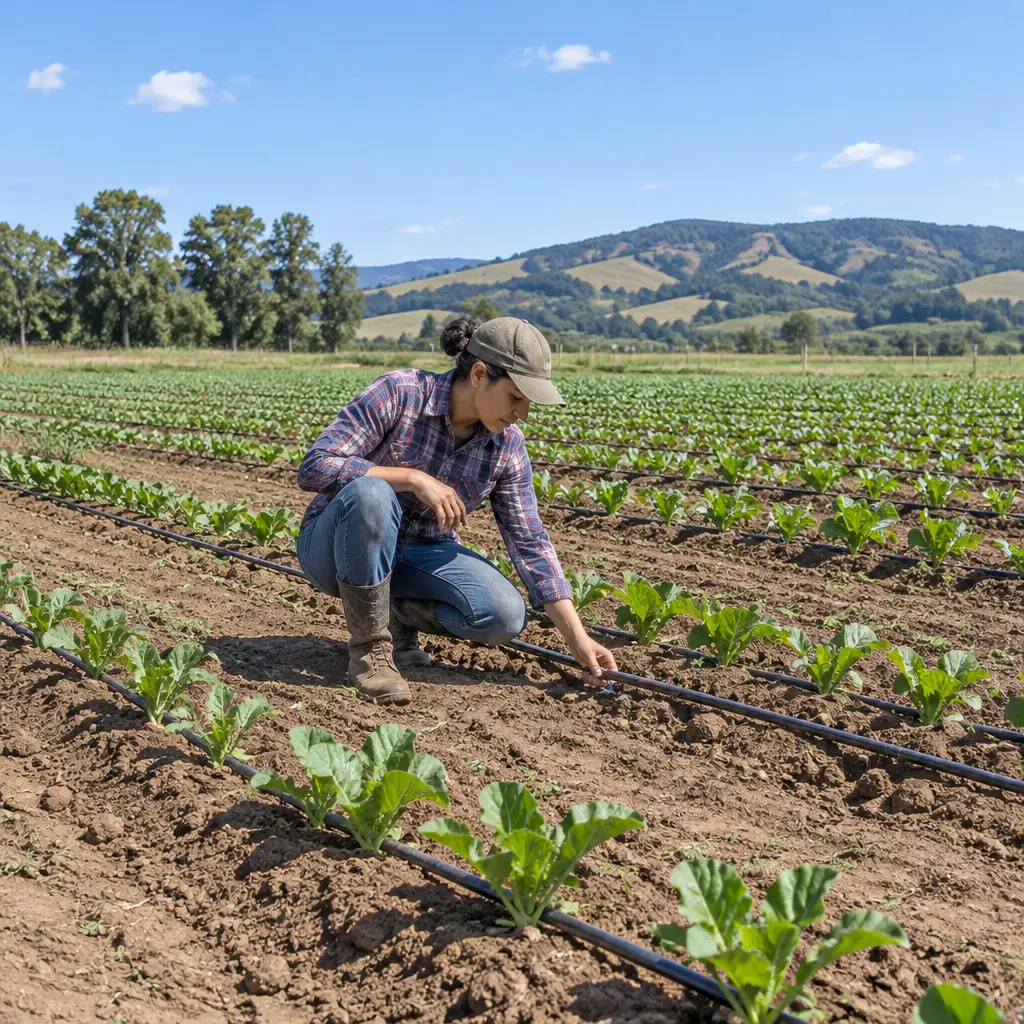
How to Know When You’re Ready to Work Independently in Agriculture
Working independently in agriculture means taking responsibility for assigned farm or ranch tasks without continuous supervision while recognizing when a decision, hazard, or equipment problem requires help. You may be ready when you can perform essential tasks safely and consistently, understand the limits of your authority, and communicate problems promptly—not simply when you have spent […]
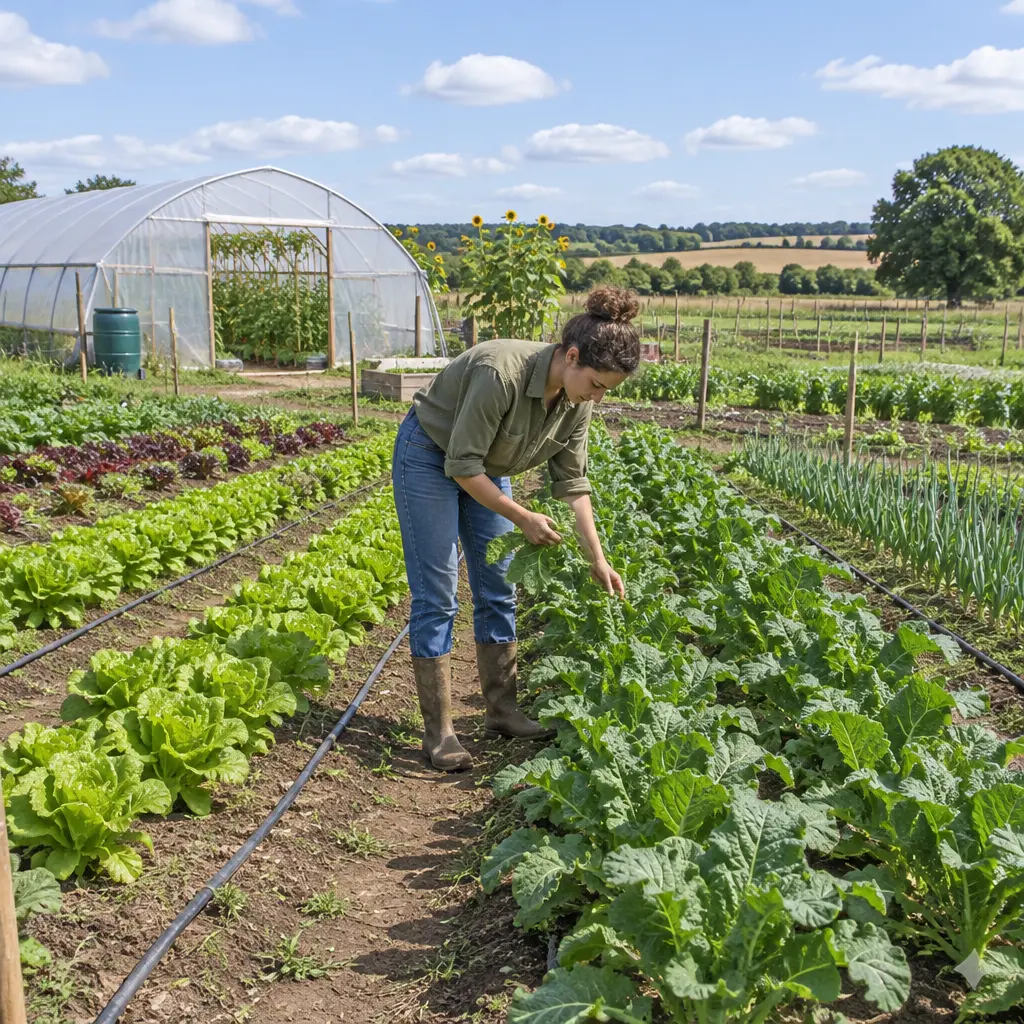
Can You Make a Living Without Owning Land? Agricultural Income Models That Work
Agricultural income without land ownership is income earned by producing, managing, processing, or marketing farm goods while leasing, sharing, or accessing land through someone else. It can support a livelihood, but rarely through one universal formula: a workable plan combines secure access to land or facilities, a marketable product, realistic cost and labor estimates, and […]
Daily Safety Rituals That Prevent Complacency Injuries
Daily safety rituals are brief, repeatable actions that help workers notice hazards, verify controls, and pause before routine tasks become automatic. They are most effective when they are specific to the work, practiced by the whole team, and followed by action on reported risks. This matters because the U.S. Bureau of Labor Statistics recorded 5,283 […]
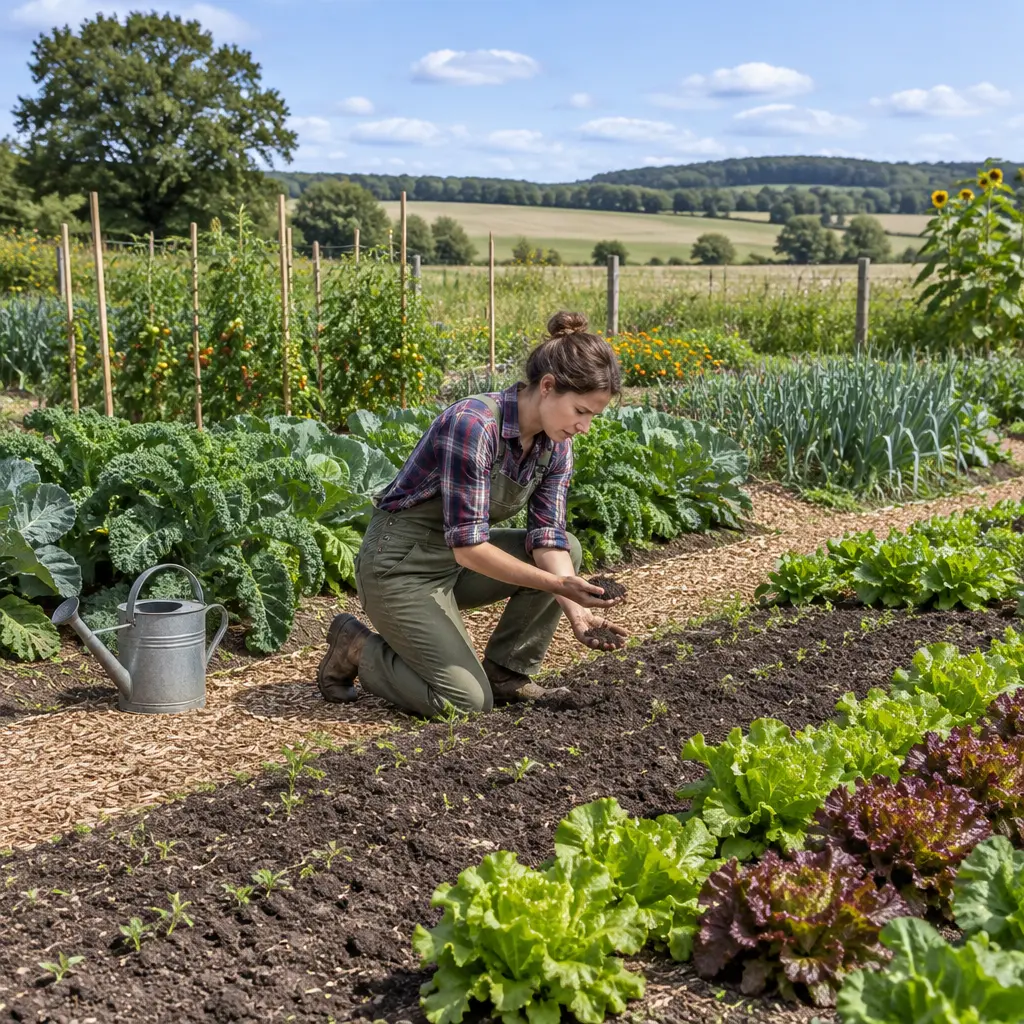
Soil Health Indicators You Can Assess Without Lab Tests
Soil health is the capacity of soil to function as a living system that sustains plants, animals, and people. You can assess many clues to that capacity without laboratory tests: how quickly water enters and drains, whether soil forms stable aggregates, how roots and earthworms move through it, and how much living cover and organic […]

Record-Keeping Systems Simple Enough to Actually Maintain
A practical record-keeping system is a repeatable way to capture, organize, find, and retain the information needed to run a household, project, or organization. The best system is not the most elaborate one: it is the simplest system that reliably supports decisions and obligations. That matters because the U.S. Bureau of Labor Statistics reports that, […]
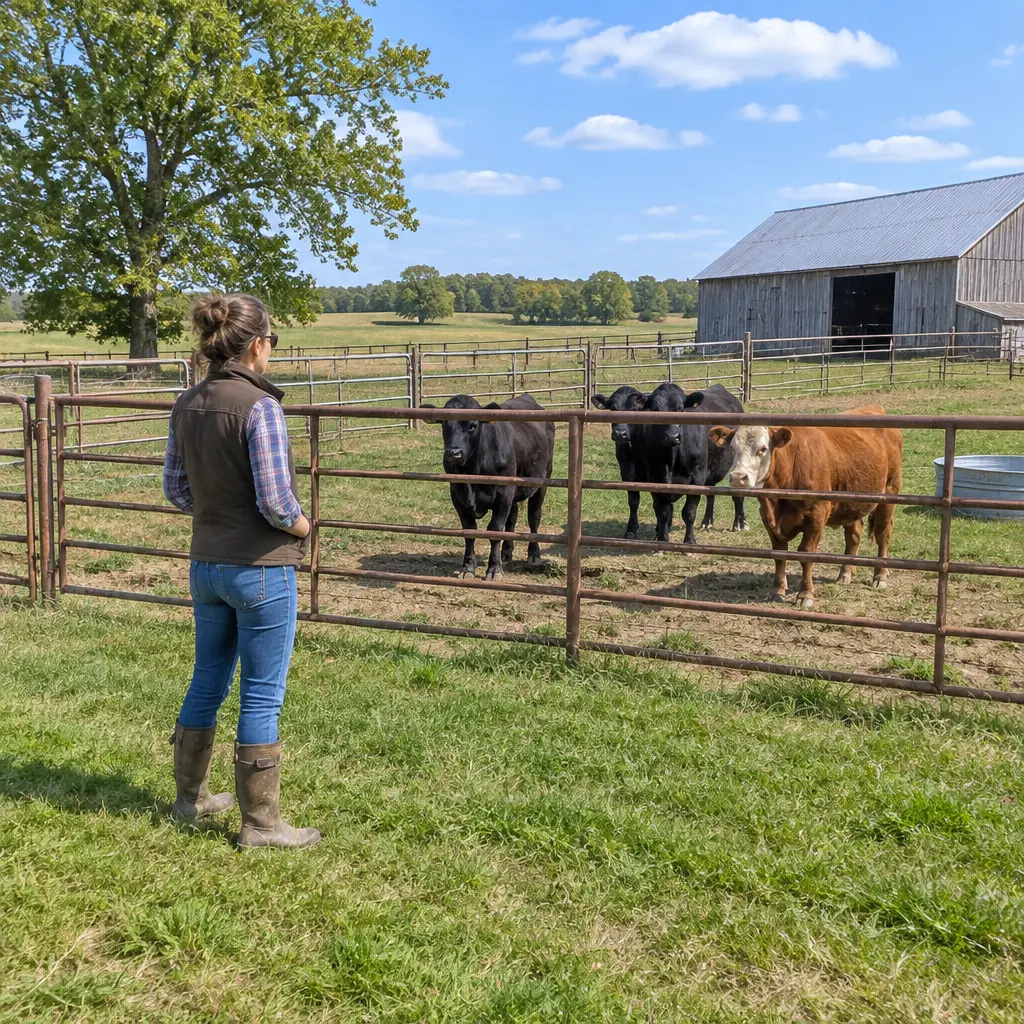
Core Animal Handling Skills Before Touching Livestock
Livestock handling skills are the practical ways people observe, approach, move, and work around farm animals while reducing risk to both animals and handlers. Before touching cattle, sheep, goats, pigs, or other livestock, learn to read their behavior, understand their flight zone and point of balance, plan an escape route, and use calm, low-stress movement. […]
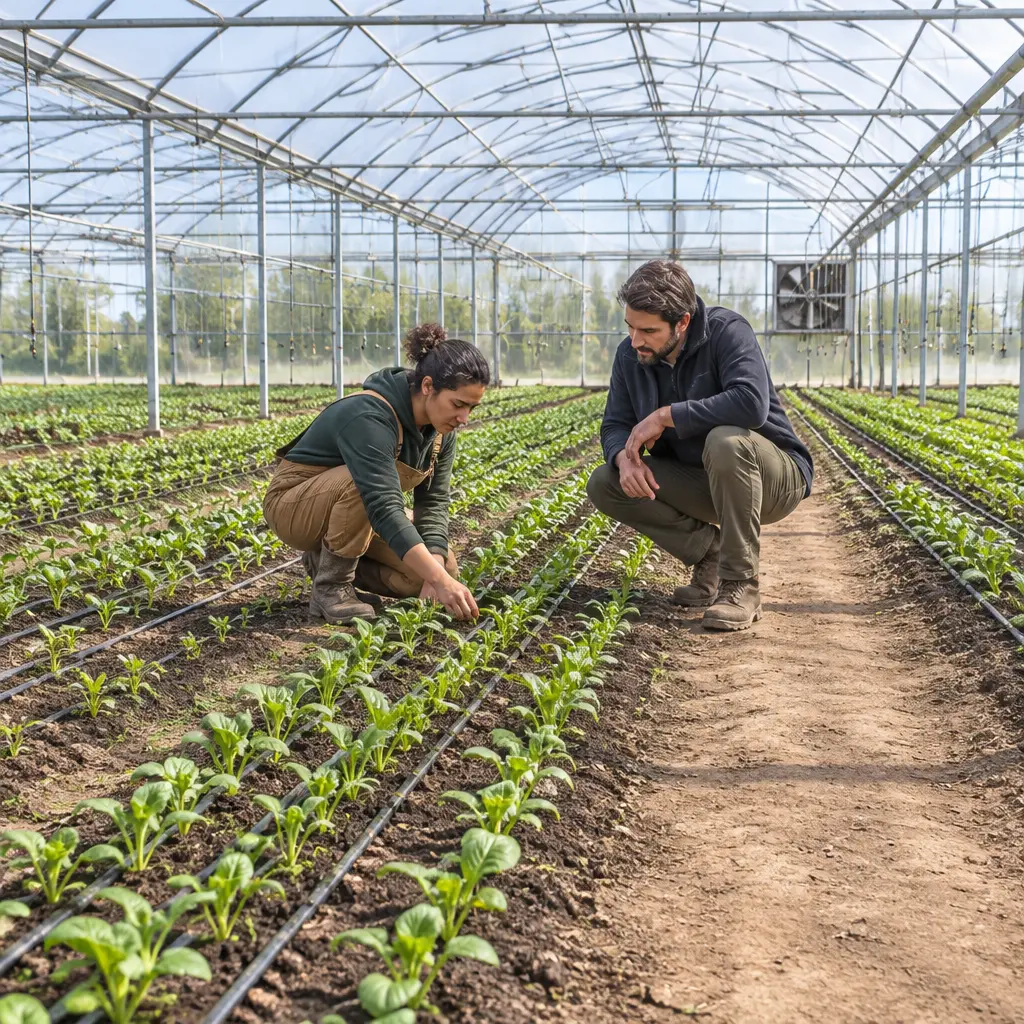
Entry-Level Farm Roles That Teach While You Earn
Entry-level farm roles that teach while you earn are paid jobs where beginners build practical agricultural skills through supervised, on-the-job experience. They include farmworker, greenhouse, livestock, equipment, and produce-packing positions. The U.S. Bureau of Labor Statistics reports that agricultural workers typically learn on the job, while its May 2024 data put the median annual wage […]
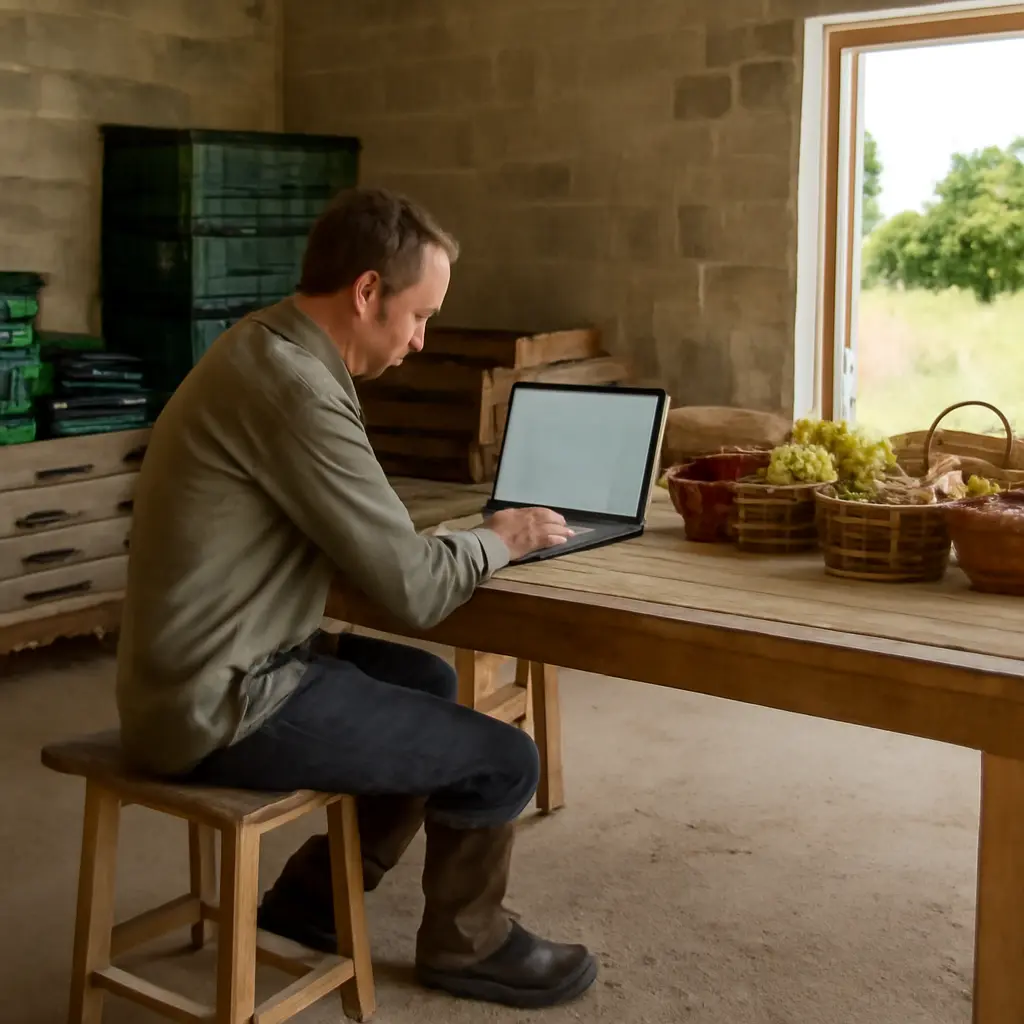
The Spreadsheet Method That Keeps Farm Orders Organized and Profitable
A farm-order spreadsheet is a structured record that connects customer requests with products, quantities, prices, fulfillment, and payment. Done well, it acts as a lightweight order-management system: it helps a farm see what to harvest or pack, what each order should earn, and what remains unpaid. The method is especially useful for farms selling through […]
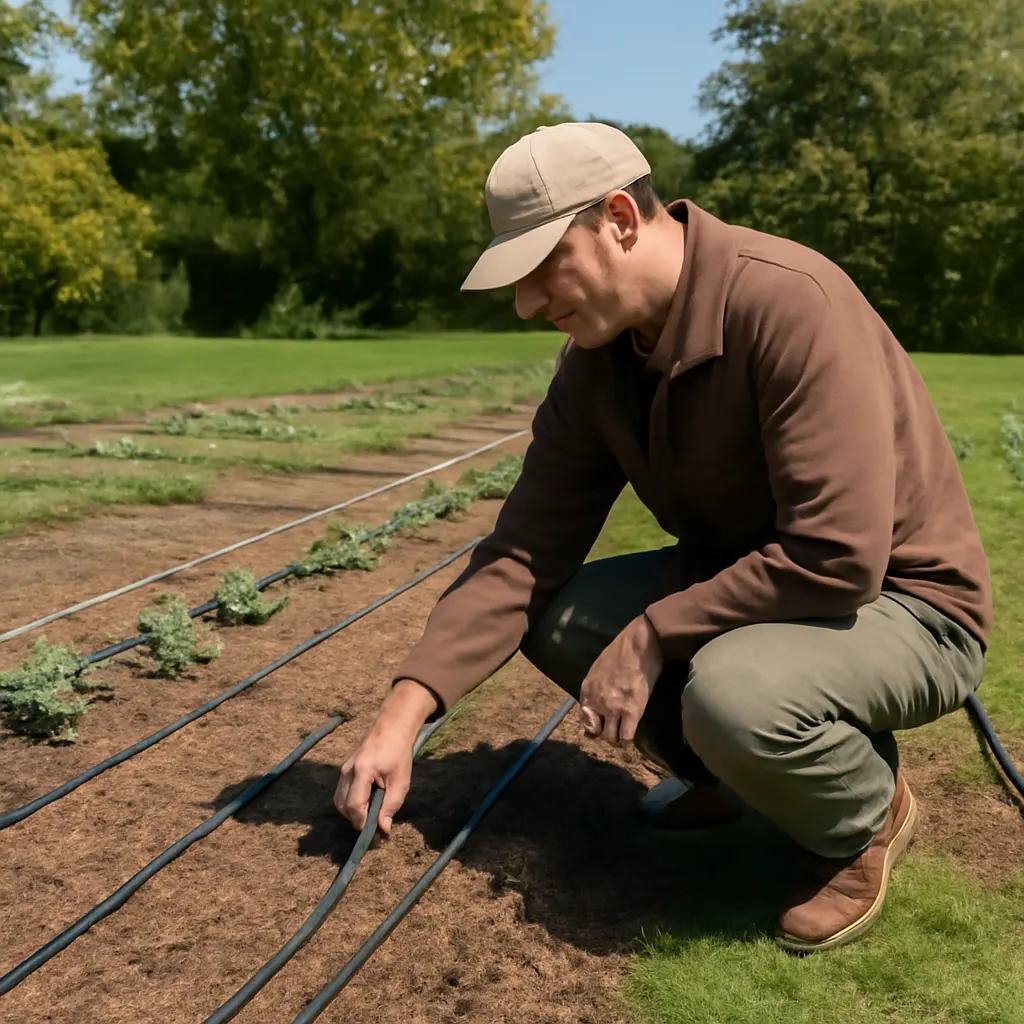
Setting up your first irrigation network without expensive mistakes
A first irrigation network is a planned system of pipes, fittings, valves, and water outlets that delivers water to plants. The least expensive way to build one is to design around the water source and the plants’ actual needs before buying equipment: measure available flow and pressure, divide the garden into suitable zones, and choose […]